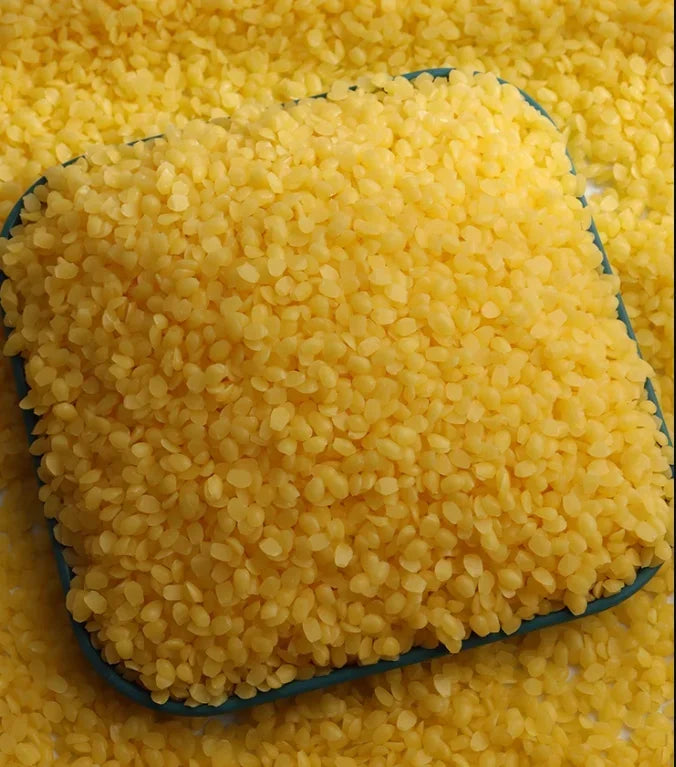
Candle Wax for Making — Soy, Coconut, Ice Flower, or Beeswax | 500g or 1kg
Choose your wax type and quantity from the dropdown. All four waxes are suitable for candle making — each has distinct properties, textures, and best-use applications. Available in 500g or 1kg.
See more See less ▾
Wax Types
Soy Wax — Flakes
A natural plant-based wax made from soybeans. Comes as coarse white flakes. Clean-burning with good fragrance retention. Best suited for container candles and tealights. Melting point: approximately 50–55°C / 122–131°F.
Coconut Wax — Flakes/Chunks
A premium natural wax derived from coconuts. Bright white, creamy texture, and excellent scent throw. Soft wax — best used in containers. Can be blended with beeswax for added firmness. Melting point: approximately 45–50°C / 113–122°F.
Ice Flower Wax (Snowflake Wax) — Fine Granules
A specialized palm-based wax that creates unique crystalline, frost-like surface patterns (ice blooms) as it cools. Also known as snowflake wax or sand wax due to its fine granular texture. Popular for decorative, textured candles and sculptural effects. Can be used in containers or pressed into molds without melting. Melting point: approximately 58–62°C / 136–144°F.
Yellow Beeswax — Blocks/Pellets
Pure natural yellow beeswax with a mild honey scent. Dense, hard wax with a high melting point and slow, clean burn. Suitable for container candles, pillar candles, hand-rolled taper candles, and cosmetic applications. Melting point: approximately 62–65°C / 144–149°F.
Size Options
- 500g — ideal for testing or smaller batch pours
- 1kg — better value for regular candle makers
Frequently Asked Questions
Which wax is best for beginners?
Soy wax is the most beginner-friendly — it melts easily, is forgiving to work with, and produces clean container candles. Coconut wax is also easy to use and gives excellent results. Ice flower wax and beeswax require slightly more experience to work with effectively.
What is ice flower wax and how do I use it?
Ice flower wax (snowflake wax) is a palm-based wax with a granular texture that forms beautiful crystalline frost patterns on the surface as it cools. It can be melted and poured like standard wax, or packed dry into a mold around a wick without melting for a rustic, textured effect. It is primarily used for decorative and novelty candles.
Can ice flower wax be blended with other waxes?
Yes, but with a caveat. Blending ice flower wax with paraffin (10–20%) is the most common approach — it adds structural support while preserving some crystalline texture. Blending with soy wax can suppress the signature frost/bloom pattern, so you’ll get less visual effect. For the most dramatic ice bloom results, use ice flower wax unblended. If you want texture with more fragrance throw, a small paraffin addition is the best compromise.
Can I blend these waxes together?
Yes — blending is common. A popular combination is soy + coconut wax for a creamy, high-scent container candle, or soy/coconut + 10–20% beeswax for a firmer blend with a longer burn. Always test blends with a small pour before committing to a full batch.
What fragrance load can these waxes hold?
Soy and coconut wax typically hold 6–10% fragrance oil by weight. Beeswax holds less — around 3–6% — but has a natural honey scent of its own. Ice flower wax holds fragrance similarly to paraffin at around 6–8%.
What wick should I use?
Wick size depends on the wax type, container diameter, and fragrance load. Softer waxes (coconut, soy) need a smaller wick than harder waxes (beeswax). Always test burn with your specific container and wax blend before finalizing wick selection.
Shop More Candle Making Supplies
Browse all Candle Wax, explore Candle Making Supplies, shop Candle Fragrance Oils, shop Candle Wax Dyes, or browse our full Candle Making range.
My Crafty Corner
Couldn't load pickup availability
Share